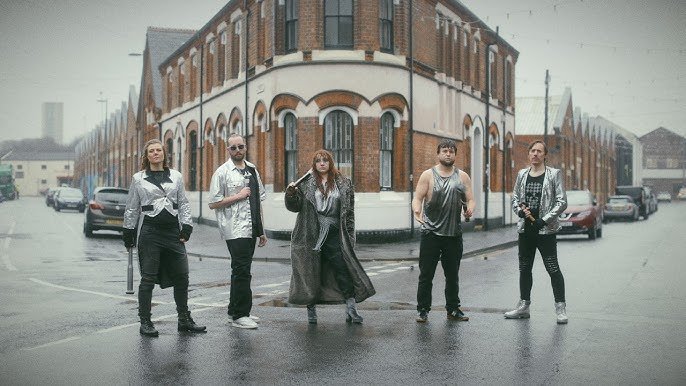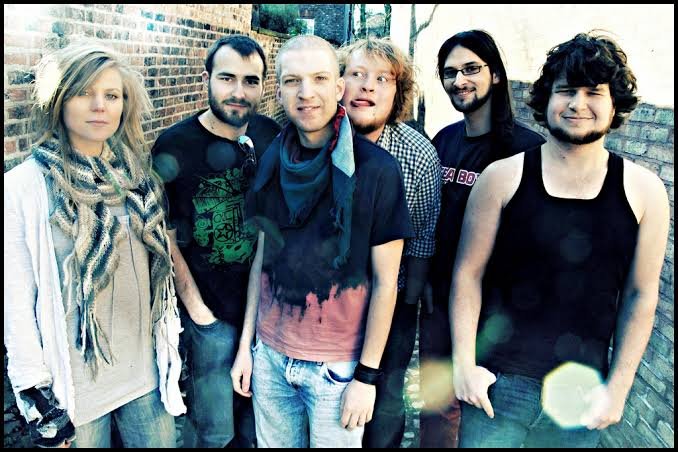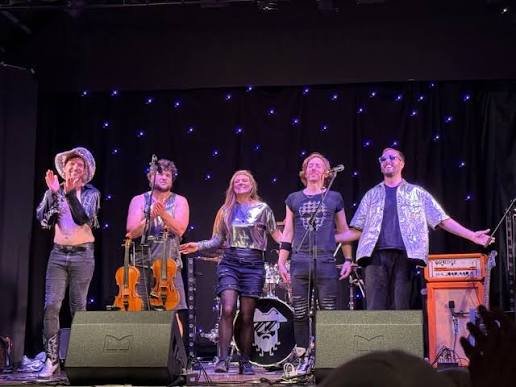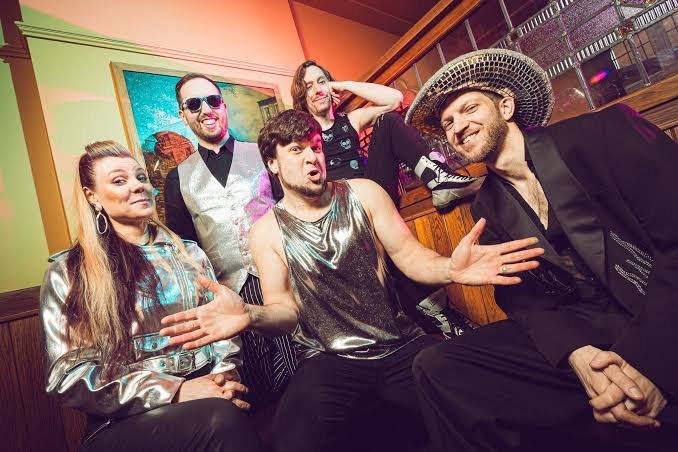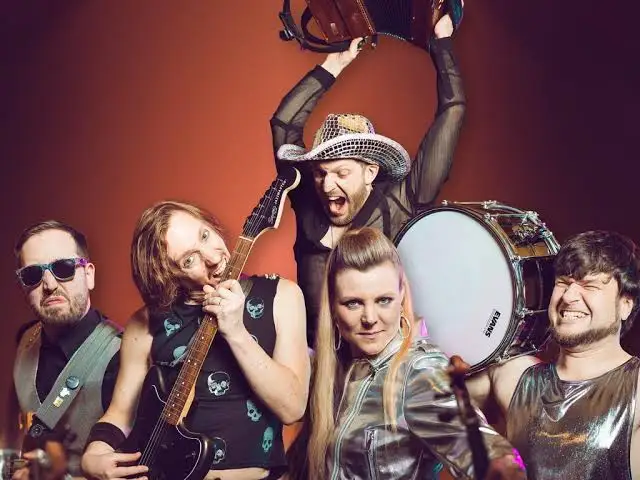
Blackbeard’s Tea Party gives traditional sea-shanties and traditional English folk music new life with its lively modern rock arrangements. The band’s music can be described as traditional English music and subjected to distorted guitars, pounding rhythms and dance-floor grooves.
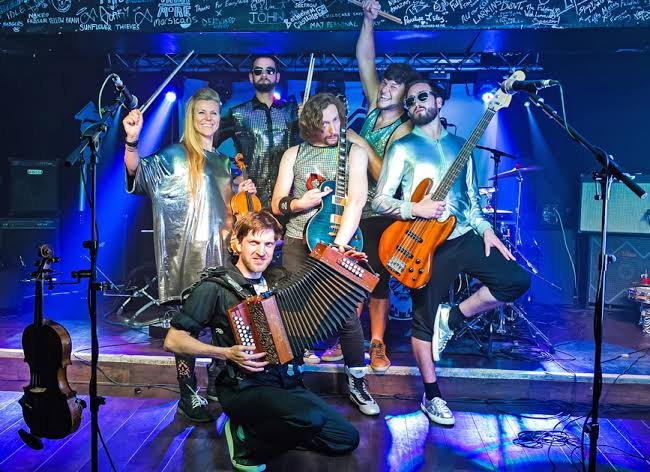
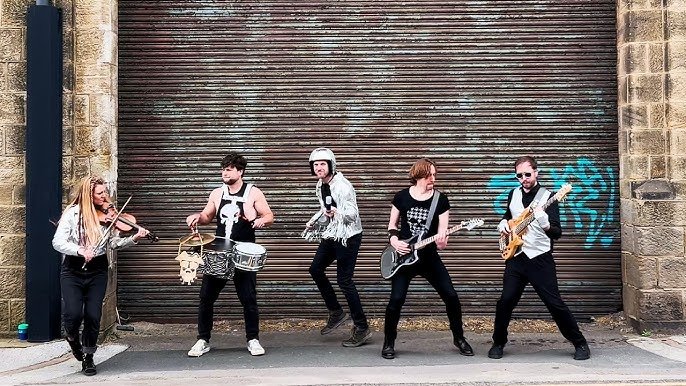
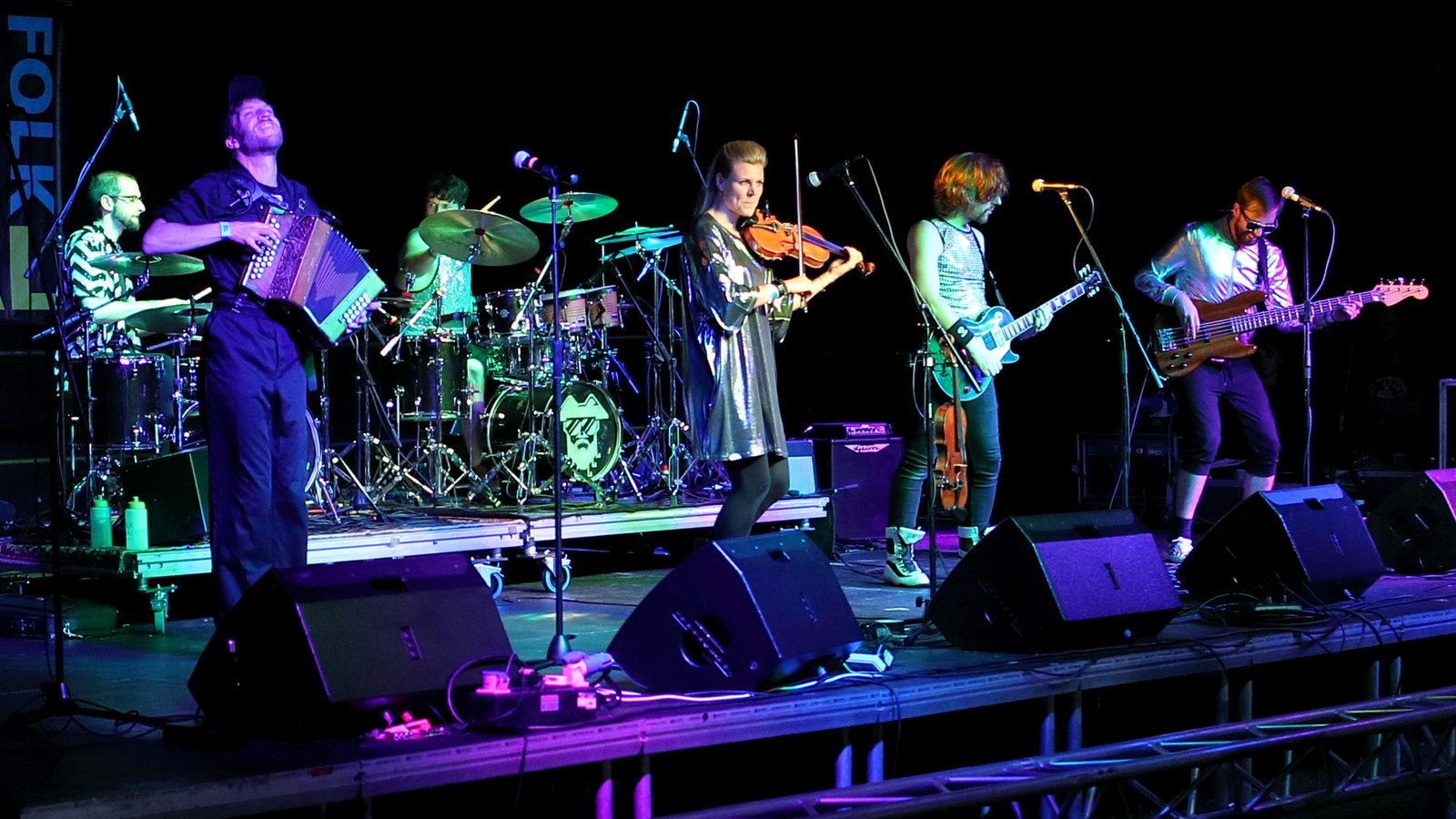
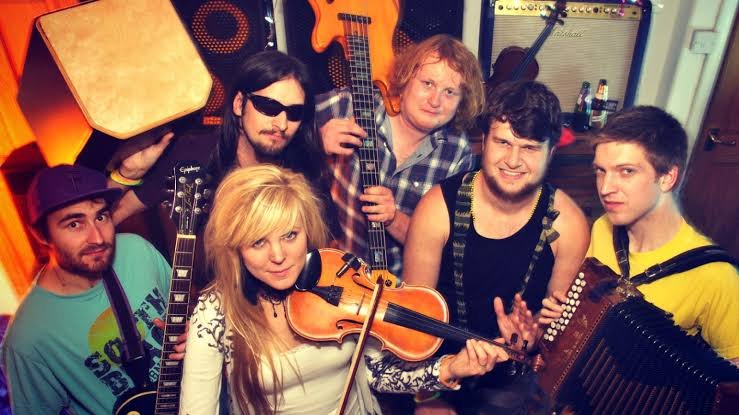
The instrumentation consists of the fiddle, the melodeon, electric guitars and hand percussion while also often using modern elements such as synth bass. Given the bass-driven and groovy rhythm of the music the band creates it comes to no surprise that the band names MUSE, Primus and Iron Maiden as its biggest rock influences. Blackbeard’s Tea Party still maintains a strong relationship with English folk music with its folk storytelling style and playful melodies. Since their drummers have studied in Cuba and in Africa the band also often experiments with African percussive elements. Blackbeard’s Tea Party frequently draws on English history, maritime culture and traditional folklore. They turn these historical characters, working-class stories and seafaring traditions into energetic modern folk-rock. Their repertoire repeatedly returns to darker and more colourful corners of history, like the age of piracy, naval life and the Napoleonic era. Pirates, criminals and others make appearances in the music, including William Kidd and Jack Ketch. Their songs often balance these darker subjects with humour, irreverence and theatricality rather than treating history as purely solemn material.

Blackbeard’s Tea Party
UK
Folk Rock
Blackbeard’s Tea Party
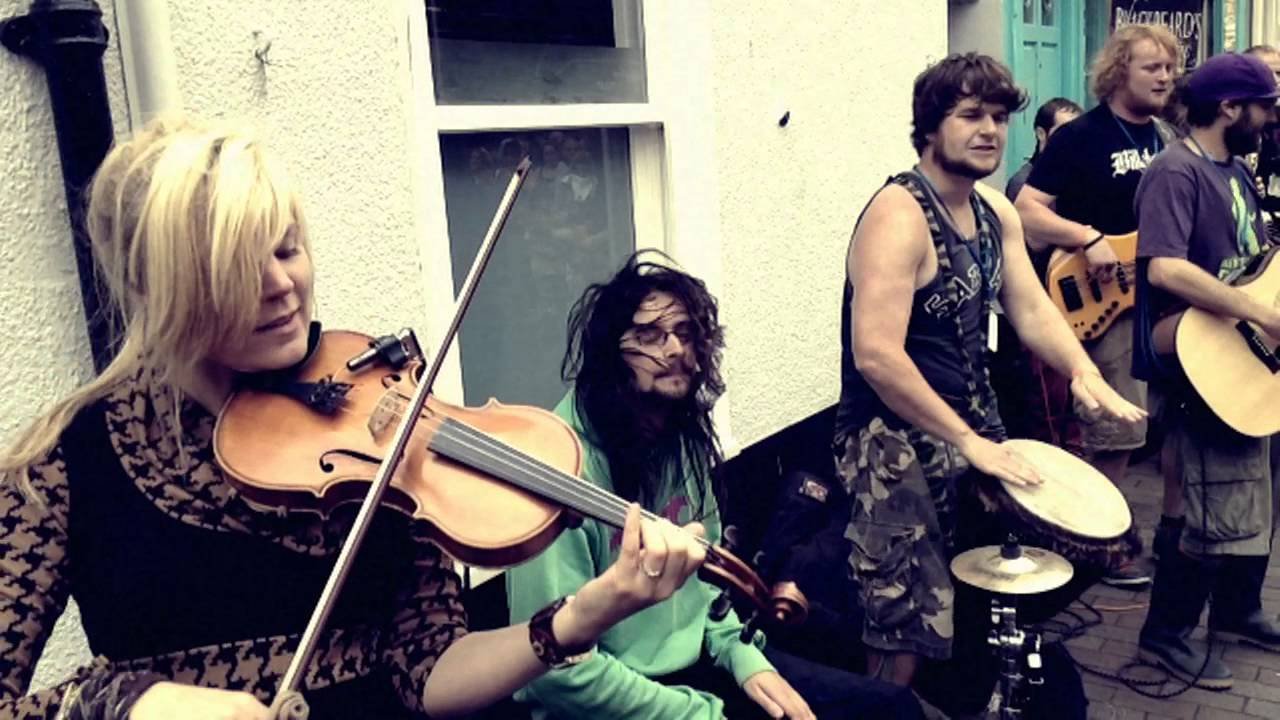
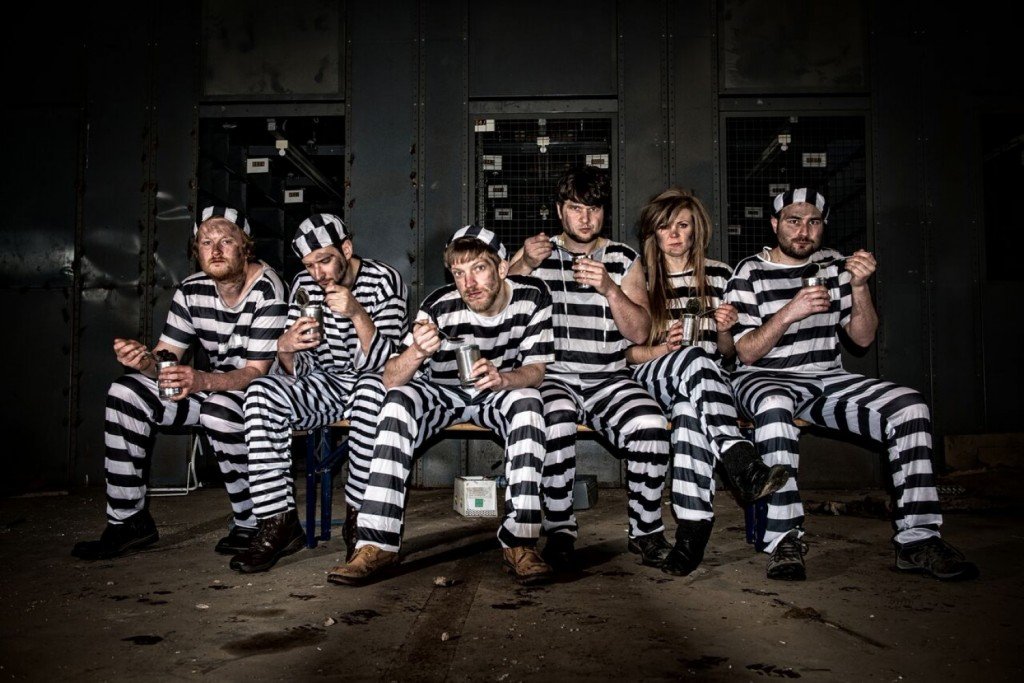
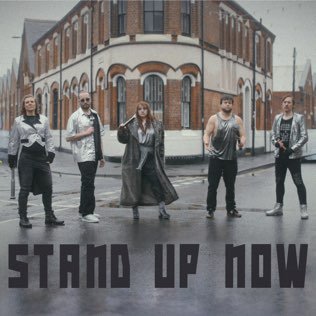
Blackbeard’s Tea Party is a contemporary folk-rock band formed in 2009 that brings traditional English folk and sea-shanties into a modern light. Hailing from York, England, the folk rock band evolved from acoustic street-buskers and a ceilidh/function band into an established touring act with frequent festival appearances. Blackbeard’s Tea Party has often been compared to Celtic rock because of the mix of traditional folk elements with modern rock instrumentation. However their sound draws more heavily from English folk traditions than Celtic influences. The band is well-known for outlandish stage outfits and props and maintains high-quality stagecraft. In 2011 the band was voted as the best live band in the UK at the FATEA Awards and has appeared in major music festivals such as Glastonbury Festival, Fairport’s Cropredy Convention, and Cambridge Folk Festival.
Gallery of artists