Skip to content

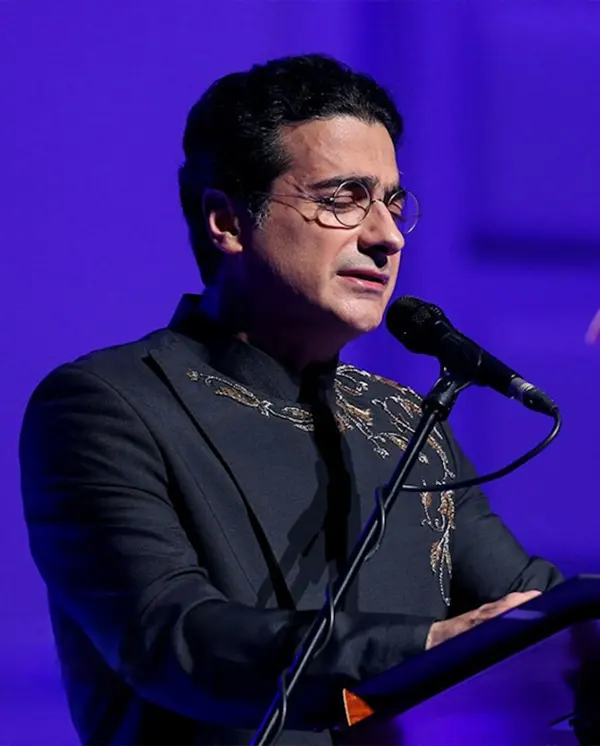
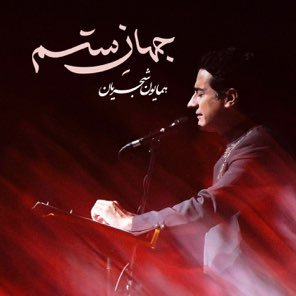
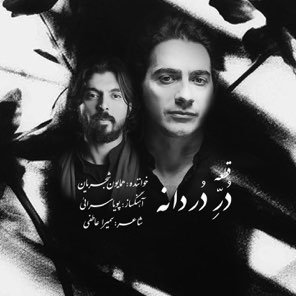
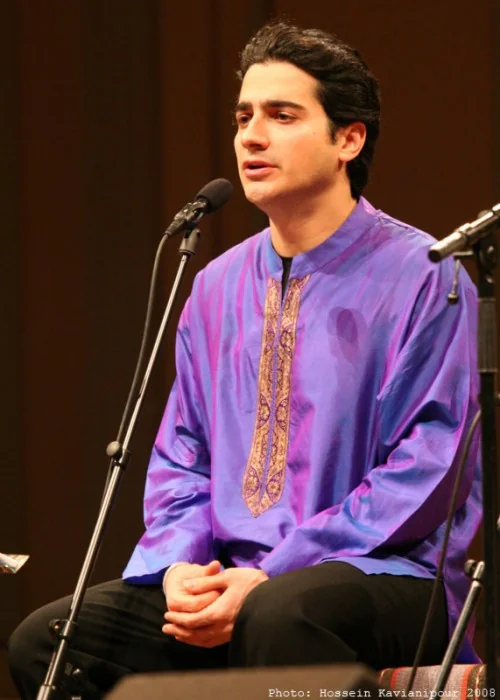
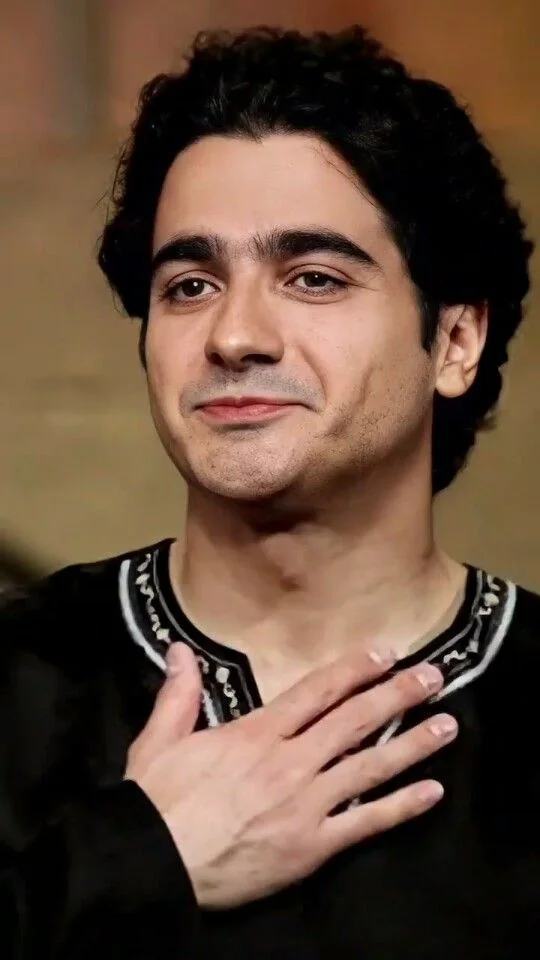
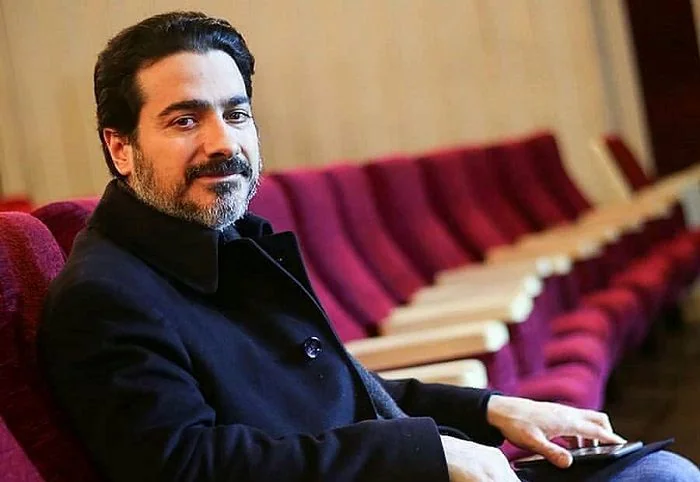
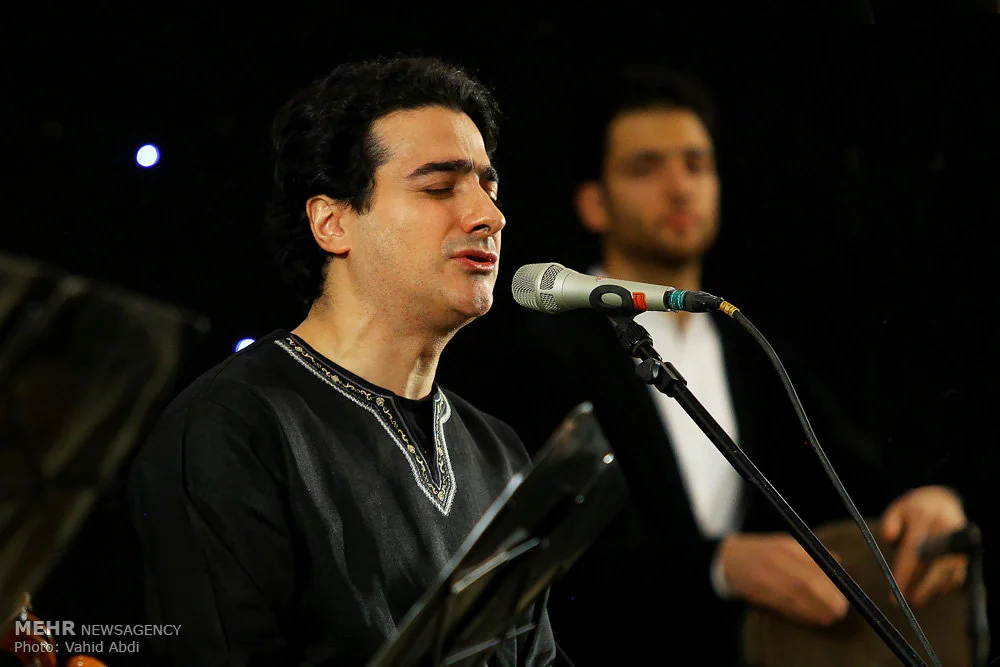
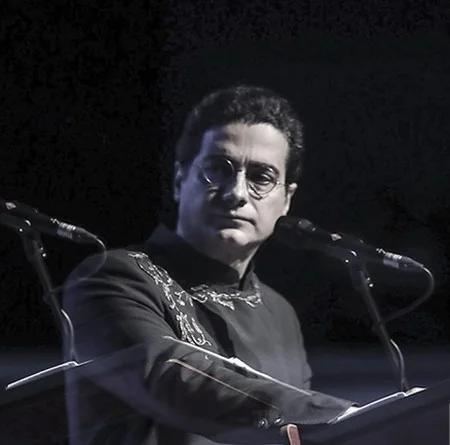
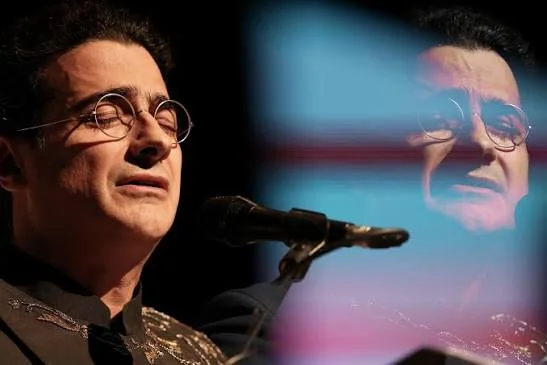
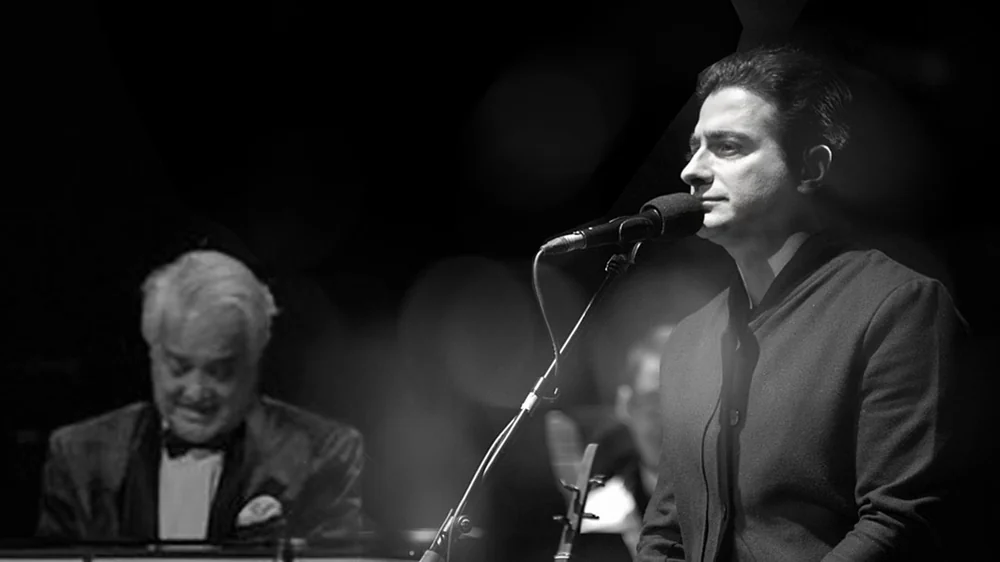
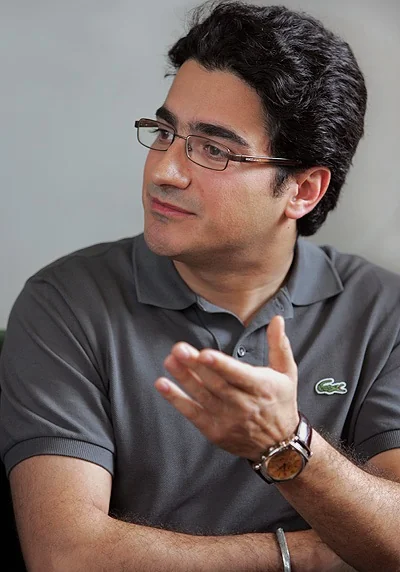
Homayoun Shajarian was born in Tehran in 1975. As the son of Mohammad-Reza Shajarian, he didn’t simply grow up around music, he received an extremely serious traditional education. Homayoun began studying Tombak, a Persian percussive instrument, with master percussionist Nasser Farhangfar, and later continued with Jamshid Mohebbi. He began studying singing with his father and underwent intensive vocal training during adolescence. Later in life, Homayoun attended the Tehran Conservatory of Music and selected the Kamancheh as his primary instrument. He started performing professionally as a Tombak player alongside his father in 1991 on performances in the United States, Europe and Iran. Later in 1999 he performed vocals alongside his father. His father’s influence is undeniable, having had the unique opportunity to apprentice alongside Iran’s most famous classical singer of his era. However, what separates him from his father is that he doesn’t simply follow Persian musical traditions. He develops and expands upon them, incorporating Western instruments like electric guitar, bass, drums and strings, while utilizing contemporary production and arrangements to bring the tradition to a new generation.
Musically, Homayoun Shajarian showcases various Persian musical traditions. Drawing from Persian classical music and regional traditions spanning from Khorasan to Iranian Kurdistan, Iran-e Man brings together the diverse musical heritage of Iran with contemporary production. That album showcases the musical portrait of Iran while showing that Persian classical music is plural in nature and consists of various traditions. His lyrics draw heavily on classic and contemporary Iranian poetry. From a lyrical point of view, Shajarian frequently draws from the works of classical Persian poets such as Rumi, Ferdowsi, Hafez, Saadi, and Khayyam, whose poetry explores themes of love, mysticism, longing, mortality, and Iranian identity. He also utilizes the work of contemporary poets such as Simin Behbahani, Mohammad-Reza Shafiei Kadkani, and Hossein Monzavi, allowing him to bridge centuries of Persian literary tradition with the concerns and sensibilities of a modern audience. Rather than functioning simply as lyrics to accompany his music, the poetry forms an integral part of his artistic identity.